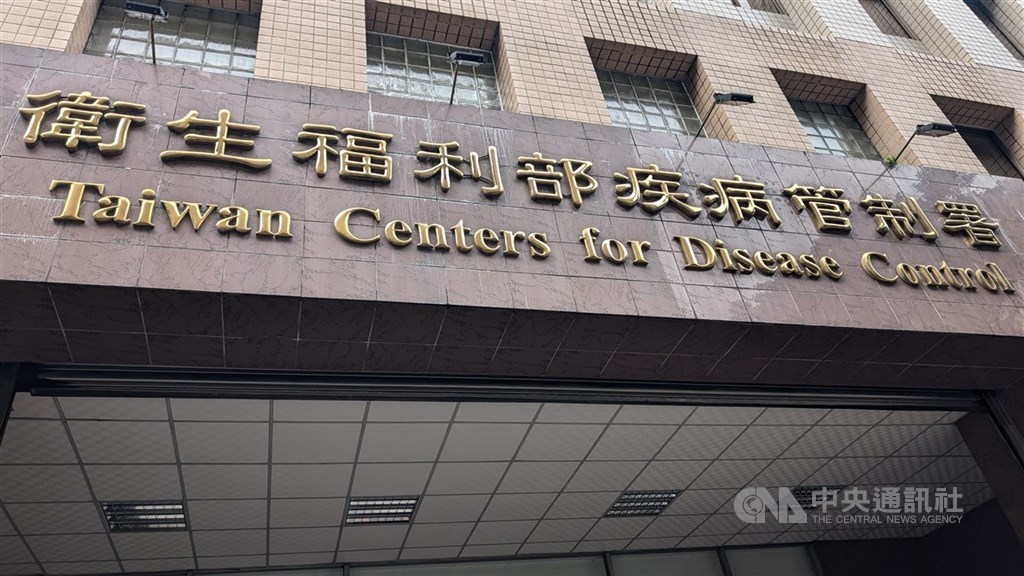
A school bus driver in central Taiwan who is infected with HIV has been implicated in a case of sexual assault, prompting public scrutiny over why he was not mandatorily tested despite having been previously listed as a contact of another HIV case. The Centers for Disease Control (CDC) today explained that mandatory testing is avoided due to concerns over a chilling effect, which could discourage confirmed cases from voluntarily disclosing their contacts.
The driver, infected with the Human Immunodeficiency Virus (HIV), is involved in a case of sexual misconduct. To date, five related infections have been confirmed, with the transmission chain spreading across three counties and cities.
CDC spokesperson Tseng Shu-hui addressed the media today, stating that the incident originated from a confirmed HIV case (Case A) reported at the end of last year. Epidemiological investigators discovered that Case A’s contact, referred to as Contact Jia, overlapped with a contact from another case (Case B) from one to two years prior. Given the potential involvement in sexual misconduct, authorities alerted social welfare, community safety networks, and law enforcement, initiating a cross-system investigation.
Public concern has been raised over why Contact Jia—the school bus driver—was listed as a contact but not subjected to mandatory testing. Tseng explained that under current regulations, medical personnel may only collect blood samples without consent for purposes such as blood transfusion, blood product manufacturing, or organ transplantation. In all other cases—including individuals listed by health authorities as contacts of HIV-positive individuals—testing requires informed consent and counseling.
Tseng emphasized that HIV prevention policy prioritizes encouragement over compulsion. The overall strategy seeks to balance human rights with public health. Imposing overly coercive measures on contacts—such as mandatory testing or excessive disclosure of case information—could create a chilling effect, discouraging confirmed cases from voluntarily providing contact lists.
She warned that if health authorities cannot obtain contact information, it would hinder subsequent epidemiological investigations and prevention efforts, ultimately undermining public health outcomes. Currently, through encouraging contact testing, several HIV-positive individuals have been identified and referred to medical institutions for treatment. Taiwan has over 200 designated medical facilities, supported by a case management system that provides comprehensive, individualized long-term care.
Tseng also referenced Article 21 of the Human Immunodeficiency Virus Infectious Disease Prevention and Protection of Rights Act, which states that individuals who knowingly conceal their HIV status and engage in high-risk behaviors—such as unprotected sex or sharing needles, diluents, or injection equipment—can face up to 12 years in prison if transmission occurs.
Regarding public concern about whether the school bus driver, as an HIV-positive individual, will continue to receive proper medical care, Tseng affirmed that all confirmed HIV cases are referred to medical institutions for treatment and care regardless of their identity. The goal is to suppress viral load through treatment, achieving an undetectable viral load, which means the person is not infectious (U=U). (Edited by Hsiao Po-wen)
FACT BOX
- Source: CNA (Central News Agency)
- Category: Taiwan