(Central News Agency, Reporter Lai Yuzhen, Taipei, 9th) The Executive Yuan Anti-Fraud Command Center stated today that, in response to the increasingly rampant impersonation fraud targeting enterprises and small shops in recent times, it will soon convene relevant ministries to study the establishment of a reporting mechanism for small businesses. This will help operators report and handle impersonation fraud cases in a timely manner, reducing the risk of harm to businesses and consumers. Furthermore, important opinions from civil groups will be incorporated into the upcoming revision of the Anti-Fraud Guideline 3.0.
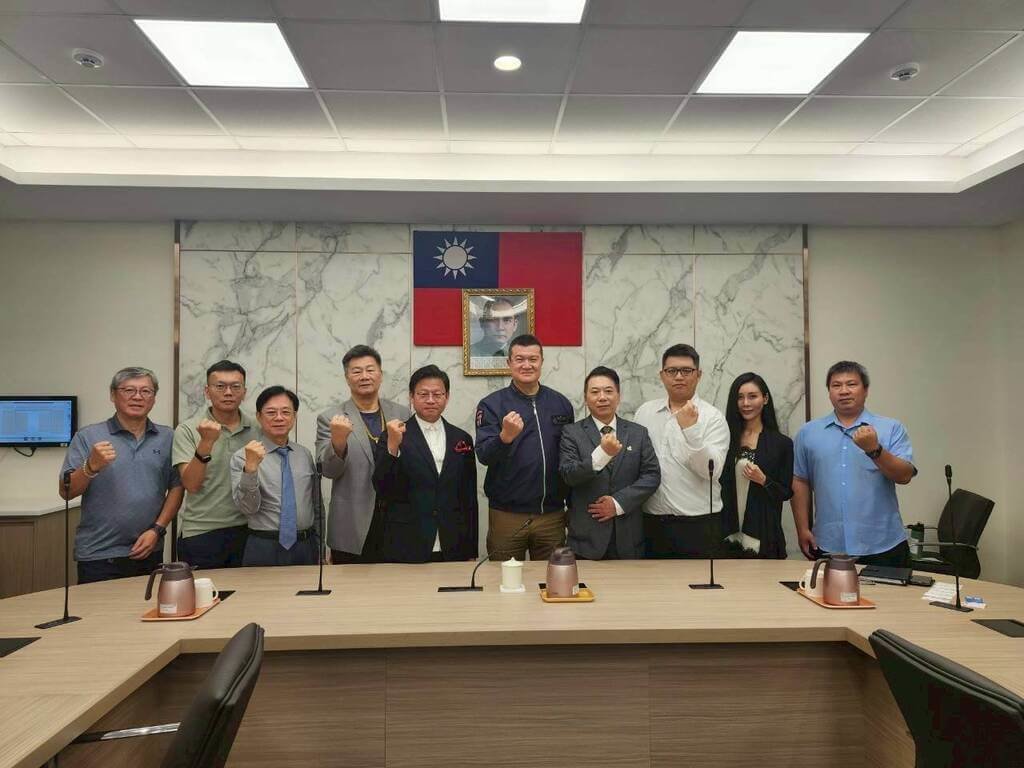
Yesterday, the Anti-Fraud Command Center held an "Anti-Fraud Advocacy Cooperation and Exchange Meeting," inviting the Taiwan Civil Anti-Fraud Association and the Anti-Fraud Alliance Association to participate. Discussions covered current fraud crime trends, anti-fraud advocacy strategies, online platform management, and public-private collaboration.
In a press release today, the Anti-Fraud Command Center stated that, given the recent surge in impersonation fraud against enterprises and small shops, the Executive Yuan will convene relevant ministries to discuss establishing a reporting mechanism for small businesses. This aims to assist operators in promptly reporting and handling impersonation fraud cases, thereby lowering the risk of victimization for both businesses and consumers. During the meeting, civil groups suggested enhancing the effectiveness of anti-fraud advocacy through resource sharing and strategic collaboration, strengthening public ability to identify fraud through diverse advocacy and case-based education, and expanding society's overall resilience against fraud.
Furthermore, the Anti-Fraud Command Center noted that, based on their frontline advocacy experience, civil groups recommended that the government establish a database of high-risk fraudulent materials, utilize artificial intelligence technology to enhance the identification and prevention of fraud patterns, strengthen warnings and advocacy for high-risk groups, call for a strengthened platform co-responsibility framework, add platform anti-fraud performance indicators, establish a Chinese-language complaint mechanism, and improve relevant legal frameworks.
The Anti-Fraud Command Center said that its commander, Ma Shih-yuan, who is also the Deputy Minister of the Interior, stated that the focus of this meeting was on listening and collaboration. Facing challenges such as impersonation fraud against enterprises and small shops, online platform governance, and cross-border fraud, it is even more necessary to establish a responsibility framework involving the government, platform operators, enterprises, and civil groups, pooling collective efforts to weave a more effective anti-fraud net. (Editor: Lin Xingmeng) 1150609
FACT BOX
- Source: CNA (Central News Agency)
- Category: Taiwan