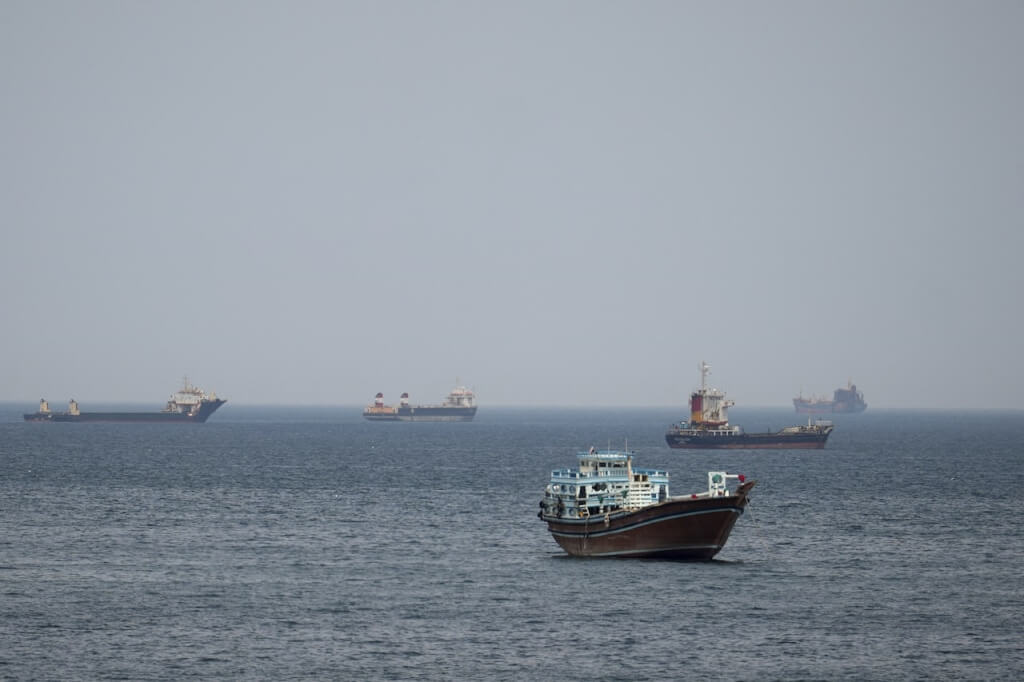
Iran's ambassador to Russia, Kazem Jalali, said today that the Strait of Hormuz will be open, but must comply with new conditions set by Iran and the Arabian Peninsula nation of Oman, including the collection of transit fees. According to an interview published today by the Russian newspaper Izvestia and reported by Reuters, Jalali stated: "The strait will certainly be open, but under new conditions decided by the authorities of Iran and Oman." He added: "We know that Iran and Oman provide some related services for this strait. These services will be charged." He did not provide further details. Before the US and Israel went to war with Iran on February 28, one-fifth of the world's oil transportation passed through the Strait of Hormuz, but oil flow through this waterway has been largely cut off since the war began. Although a few tankers have recently managed to pass through the strait and leave the Persian Gulf, oil and liquefied natural gas (LNG) export shipments from the Middle East remain severely restricted. Iran has previously argued that any final peace agreement should include its right to charge fees for vessels wishing to pass through the Strait of Hormuz, with rates set according to vessel type, cargo type, and different time periods. However, US President Donald Trump has strongly opposed this. The US warned Oman at the end of May not to participate in any Iranian action to collect tolls in the Strait of Hormuz. US Treasury Secretary Scott Bessent said at the time that the Omani ambassador to the US told him there were no such plans for toll collection. After a Japanese-affiliated tanker passed through the Strait of Hormuz in May, Japan stated that it had not paid any transit fees. Before the Iran war broke out, Japan relied on imports from the Middle East for approximately 95% of its oil needs.
FACT BOX
- Source: CNA (Central News Agency)
- Category: Taiwan