(Central News Agency, reporter Chen Jieling, Taipei, 7th) Taiwan has long been one of the countries with a high prevalence of kidney disease worldwide. Riding the wave of artificial intelligence, AI-assisted acute kidney injury (AKI) prediction software is becoming a trend. It aims to predict the risk of AKI in ICU patients within 24 hours, allowing for early intervention in high-risk patients to avoid dialysis.
Care for chronic kidney disease and acute kidney injury (AKI) is a key policy direction for Taiwan's National Health Insurance (NHI) system. According to data from the NHIA, medical expenses for kidney diseases such as dialysis have long been the top annual NHI expenditure item, reflecting the importance of kidney care and the long-term financial burden on the healthcare system.
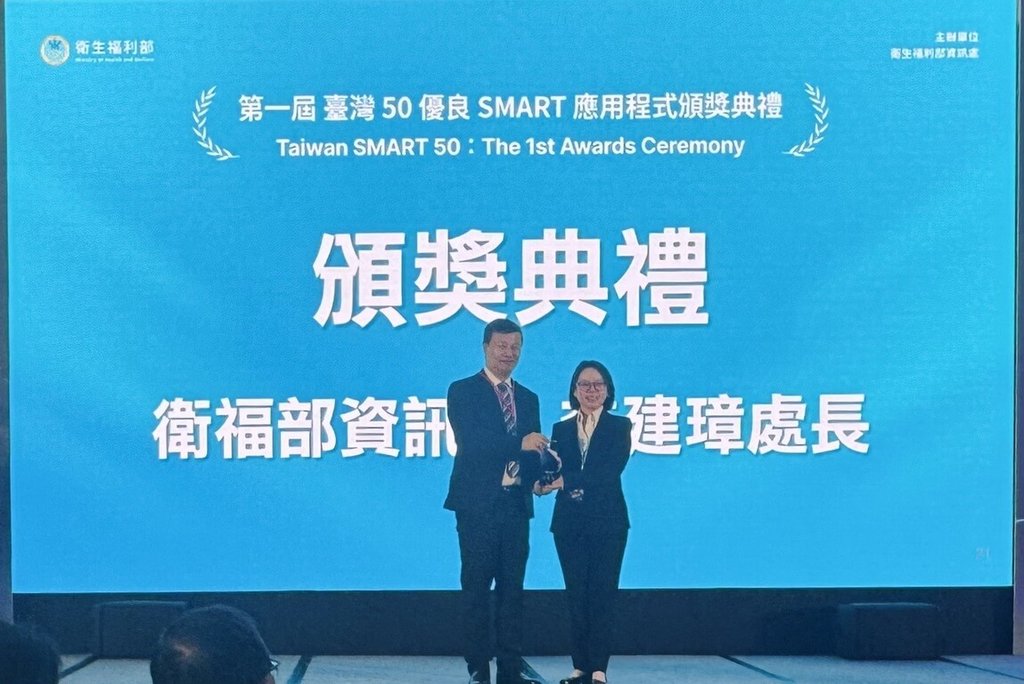
The NHIA has been promoting policies such as pre-kidney disease care plans, AKI care management, and digital medical applications in recent years. Li Huiling, General Manager of Huide Technology, told CNA reporters today that the AI-assisted AKI prediction software has been selected as one of the key representative projects in this year's 'Taiwan 50 Excellent SMART Applications' competition.
Li Huiling stated that AKI is difficult to detect early. This AI-assisted AKI prediction software is an AI medical software designed for the ICU environment, providing clinical data analysis and decision support. It is applicable to patients aged 20 and over in the ICU. Using machine learning algorithms, it provides medical personnel with the probability value of a patient developing AKI within the next 24 hours.
Li Huiling said that by using AI to assist doctors in making quick judgments, nephrologists can provide customized treatment for very high-risk patients, preventing them from developing AKI or needing dialysis. The system has an Area Under the Receiver Operating Characteristic Curve (AUROC) of 0.86, indicating excellent discriminative ability. It has obtained a Class II medical device license from the Taiwan Food and Drug Administration (TFDA) and has been introduced in several medical centers to improve patient care quality.
SMART on FHIR has become an important standard architecture for next-generation smart healthcare internationally. The Ministry of Health and Welfare (MOHW) organized the first 'Taiwan 50 Excellent SMART Applications' competition, selecting 50 representative innovative applications from 115 entries. The AI-assisted AKI prediction software was among the winners, marking it as a key representative of Taiwan's efforts to promote smart healthcare standardization and clinical AI applications.
Lee Chien-chang, Director of the MOHW's Department of Information Management, previously stated in a press release that under the SMART on FHIR standard architecture, future medical applications can be 'plug-and-play' across different healthcare information systems, much like downloading an app on a smartphone. This not only lowers the barrier to adoption but also allows high-quality applications to be rapidly disseminated to medical institutions at all levels, further reducing redundant tests and improving diagnostic efficiency.
Other winners of this 'Taiwan 50' competition include: AI chest X-ray abnormality screening from Tri-Service General Hospital; a post-cardiac catheterization bleeding assessment tool from Linkou Chang Gung Memorial Hospital; an AI image interpretation result integration platform from National Taiwan University Hospital; and an intelligent assisted emergency non-trauma patient admission risk prediction system from Chung Shan Medical University Hospital. (Editor: Guan Zhongwei) 1150607
FACT BOX
- Source: CNA (Central News Agency)
- Category: New Product