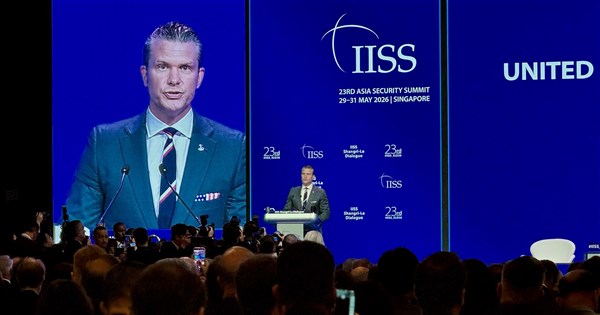
According to POLITICO, this year's Shangri-La Dialogue in Singapore clearly demonstrated that the Trump administration's transactional approach to Europe is now extending to Asia. The US increasingly believes that regional allies should shoulder more responsibility in the face of China's rapid rise. The Shangri-La Dialogue, hosted by the IISS since 2002, has become a key security forum. While it was once a stage for the US and its allies to publicly criticize China, this year's US officials emphasized that Asia must play a leading role. Defense Secretary Pete Hegseth stated, "The era of the US subsidizing the defense of wealthy nations is over," urging allies to increase defense spending to 3.5% of GDP. However, he was relatively low-key regarding Beijing, merely acknowledging the "reasonable vigilance" of Asian nations. Allies are now seeking their own paths as they realize they may no longer be able to rely entirely on the US. Hegseth did not mention Taiwan, claiming US-China relations are "better than they have been in years."
FACT BOX
- Source: CNA (Central News Agency)
- Category: geopolitics