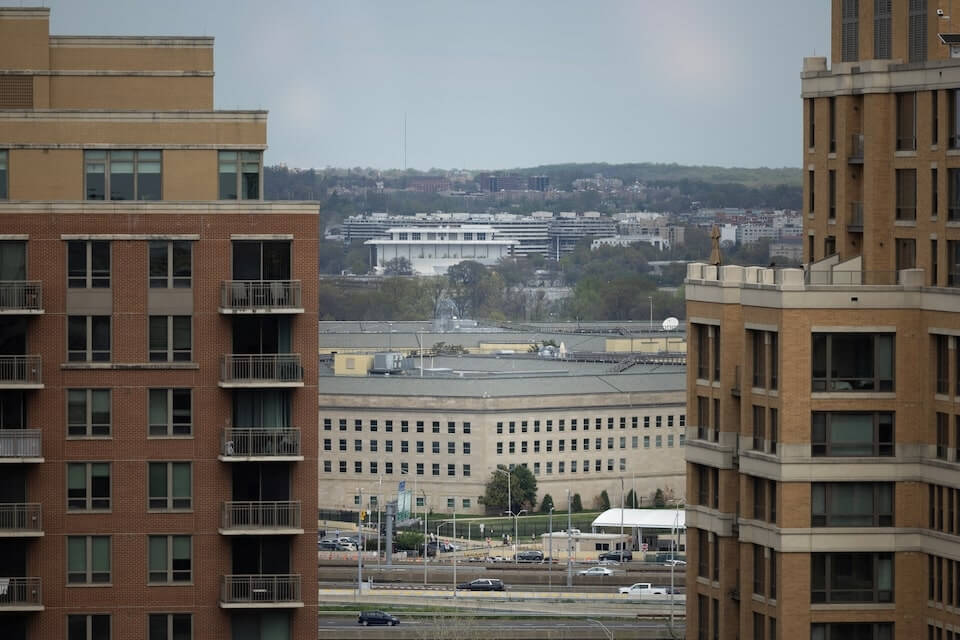
(CNA, Washington, 28th) According to a report submitted by military officials, US troops deployed in war zones have been targeted and attacked using commercially available location data, a concrete demonstration of how the global surveillance economy is reshaping the modern battlefield. According to Reuters, in a letter shared with Reuters by Democratic Senator Ron Wyden, US Central Command (Centcom) stated that it had "received multiple threat reports involving adversaries using commercial location data to target or monitor US military personnel in war zones." The letter, sent on April 14, provided no further details, but Centcom's area of responsibility includes the Persian Gulf, where US forces are currently in a standoff with Iranian forces over the Strait of Hormuz. In a letter sent to the Pentagon today, Wyden and a bipartisan group of lawmakers noted that this disclosure is the first official confirmation that US forces have been targeted in an active war zone. The letter warned: "Commercial location data can be used to identify US military staging areas and patterns of life, which adversaries can use to launch targeted attacks such as missiles, drones, and roadside bombs, or for counterintelligence purposes." Wyden stated bluntly that it is time to "start treating the ad-tech industry as a national security threat." The Pentagon said in an email that it would respond directly to members of Congress but did not provide further details. The lawmakers noted in the letter that they had previously attempted to obtain more information from military officials about the targeting of troops, but were unsuccessful. Location data is widely used in digital advertising, which is a major source of revenue for many tech companies. Such data is typically collected from devices like smartphones by apps or service providers and sold to data brokers. These data brokers aggregate and resell the data, sometimes circulating it through complex intermediary networks. While the privacy threat posed by selling details of people's daily movements on the open market has long been a subject of public debate, concerns are now growing that such practices could pose a national security risk.
FACT BOX
- Source: CNA (Central News Agency)
- Category: National Security
- Dates in source: April 14 / May 28