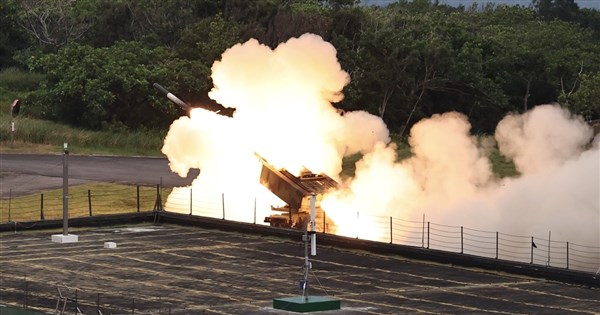
Central News Agency (Taipei, 28th) The Legislative Yuan's Finance, Foreign Affairs, and National Defense Committees held a joint meeting on the 27th and passed the initial review of the 2026 defense procurement special budget. The bill will be reported to the plenary session without the need for party caucus negotiations. The Legislative Yuan is scheduled to hold a plenary session on the 29th; if the ruling and opposition parties agree to include the special budget in the agenda, the third reading could be completed as early as that day. The Executive Yuan passed the "2026 Central Government National Security Defense and Asymmetric Combat Capability Enhancement Plan Procurement Special Budget" on the 20th. The first batch of US military procurement is budgeted for one year, with a total cost of approximately NT$294.99 billion, with NT$8.8 billion allocated for this year. On the 20th, Premier Cho Jung-tai reported on the budget compilation process. Following the Q&A, Legislative Speaker Han Kuo-yu referred the bill to the Finance Committee for review. During the joint meeting on the 27th, lawmakers spent 40 minutes reviewing the bill, cutting NT$2 million from business expenses while leaving the rest intact. Committee convener Wu Ping-jui announced the completion of the review. While the agenda for the 29th is not yet finalized, it is highly likely to be included after cross-party discussions. Unless a party caucus requests negotiations during the second reading, the third reading could be completed on the 29th.
FACT BOX
- Source: CNA (Central News Agency)
- Category: 政治News