虛空的彼端:真空技術如何開創太空科學
Busch SE 運用真空技術支援太空科學研究。
📋 文章處理履歷
- 📰 發表: 2026年3月30日 16:50
- 🔍 收集: 2026年3月30日 09:00
- 🤖 AI分析完成: 2026年4月15日 12:32(收集後387小時31分鐘)
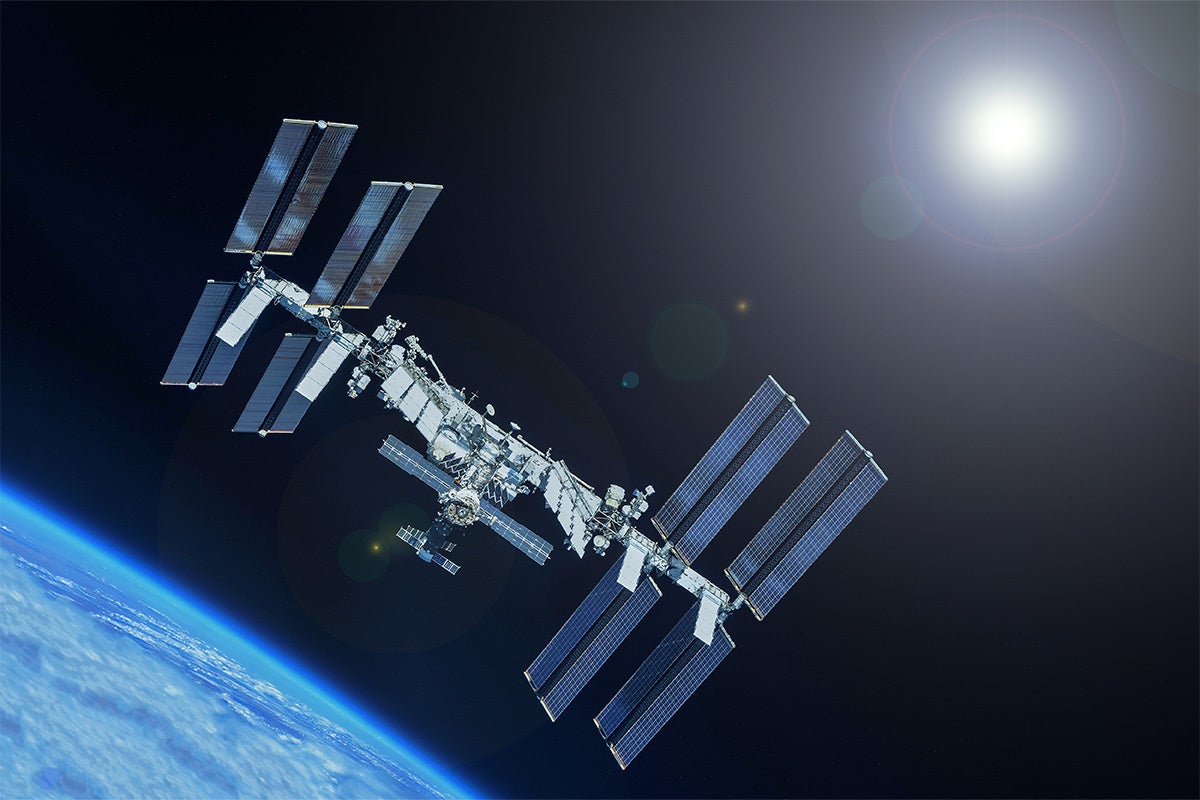
越過包裹地球的稀薄大氣層,便是迷人卻嚴酷的宇宙環境:微重力、極端的溫度變化,以及低至超高真空的壓力條件。對研究人員而言,這些並非障礙,而是發現新科學與工程原理的寶貴場域。在實驗搭載火箭或國際太空站(ISS)之前許久,其成功與否早已在地面上決定。正是因為能在地球上重現太空的真空環境,才能在將一切送往真實宇宙前,預先驗證所有變數並徹底理解每個過程。這項「在地球上創造太空」的核心,便是那無形卻不可或缺的存在——真空技術。
從地面到軌道
想像一下監控國際太空站(ISS)實驗的控制室。數據流不斷在螢幕上閃過,即時追蹤導電金屬樣本在微重力下如何熔化、冷卻及其行為。若在地面上進行相同的實驗,重力將無所不在地產生影響。對流會攪動熔融的金屬,較重的成分下沉,較輕的成分則上浮。結果,材料本身固有的純粹行為將被重力所掩蓋。相對地,軌道上的微重力環境完全消除了這些影響。因此,能更精確地觀察材料如何傳導熱量、如何流動以及如何凝固。由此獲得的見解不僅是數據的累積;它們導向對材料科學的寶貴理解,為航空航天領域的高性能零件、高效渦輪機,乃至先進的積層製造奠定基礎。
旅程始於地面實驗室
無論何種實驗,在送往太空之前,其旅程都始於地球上的研究室。研究人員模擬實際的太空環境,在超高真空(UHV)等級,即 10⁻⁸ hPa(mbar)或更低的嚴苛條件下測試實驗設置。要創造這樣的環境,真空技術是不可或缺的。太空研究的整合解決方案結合了高性能渦輪分子泵、精密的控制系統,以及能夠高精度、長時間重現軌道條件的專用真空腔體。要在地球上重現太空極其潔淨的真空環境並精確調控實驗條件,對每個細節的徹底管理至關重要。這包括將氣體洩漏降至最低、維持均勻壓力、控制溫度波動,以及創造高感度儀器能夠穩定運作的環境。因此,所使用的真空設備必須針對超低背景污染進行優化。此外,結合加熱和冷卻功能以模擬軌道上發生的劇烈溫度變化也至關重要。為了在地球上模擬太空的「黑暗」,也可能採用高品質的表面處理和光吸收塗層。透過準備這樣的真空環境,研究人員能在挑戰實際太空的「近乎完美虛無」之前,自信地推進實驗準備工作。在真空技術重現這些條件後,實驗中使用的金屬樣本等會被放置在 UHV 真空腔體內,並事先驗證預期的測量是否能正確進行。沒有真空,這些地面測試將毫無意義,因為空氣分子會干擾並扭曲測量結果。在真空下,物質將展現其最真實的行為。
常見問題
What is ultra-high vacuum (UHV)?
Ultra-high vacuum (UHV) refers to extremely low-pressure environments, typically below 10⁻⁸ hPa (mbar). Achieving and maintaining UHV is critical for simulating the conditions of outer space, where air molecules are extremely sparse.
Why is vacuum technology essential for space science research on Earth?
Vacuum technology is essential because it allows researchers to replicate the microgravity and ultra-high vacuum conditions of space in a controlled laboratory setting. This enables them to test experiments, verify variables, and understand material behavior without the interference of gravity and atmospheric pressure, ensuring the success of missions in space.
How does microgravity in space differ from experiments on Earth?
On Earth, gravity influences experiments by causing convection in liquids, sedimentation of heavier components, and buoyancy effects. In the microgravity environment of space, these gravitational influences are virtually eliminated, allowing for a purer observation of material properties and behaviors, such as heat transfer and fluid dynamics.
What are some specific requirements for vacuum systems used in space research simulation?
These systems require high-performance pumps (like turbomolecular pumps), precise control systems, and specially designed vacuum chambers. They must achieve ultra-high vacuum levels, minimize gas leaks, maintain uniform pressure and temperature, and be optimized for ultra-low background contamination. Features like heating and cooling capabilities are also important to simulate orbital temperature fluctuations.
What kind of scientific advancements can be achieved through space research enabled by vacuum technology?
Advancements include a better understanding of material science, leading to the development of high-performance components for aerospace, more efficient turbines, and breakthroughs in additive manufacturing. It allows for the study of fundamental physical and chemical processes in an environment free from terrestrial constraints.