東京大學梅田靖教授對談「循環經濟時代的商機」
BizCube Consulting 發布了東京大學梅田靖教授關於循環經濟的對談影片。
📋 文章處理履歷
- 📰 發表: 2026年3月30日 21:30
- 🔍 收集: 2026年3月30日 22:56(發表後1小時26分鐘)
- 🤖 AI分析完成: 2026年4月16日 05:32(收集後390小時36分鐘)
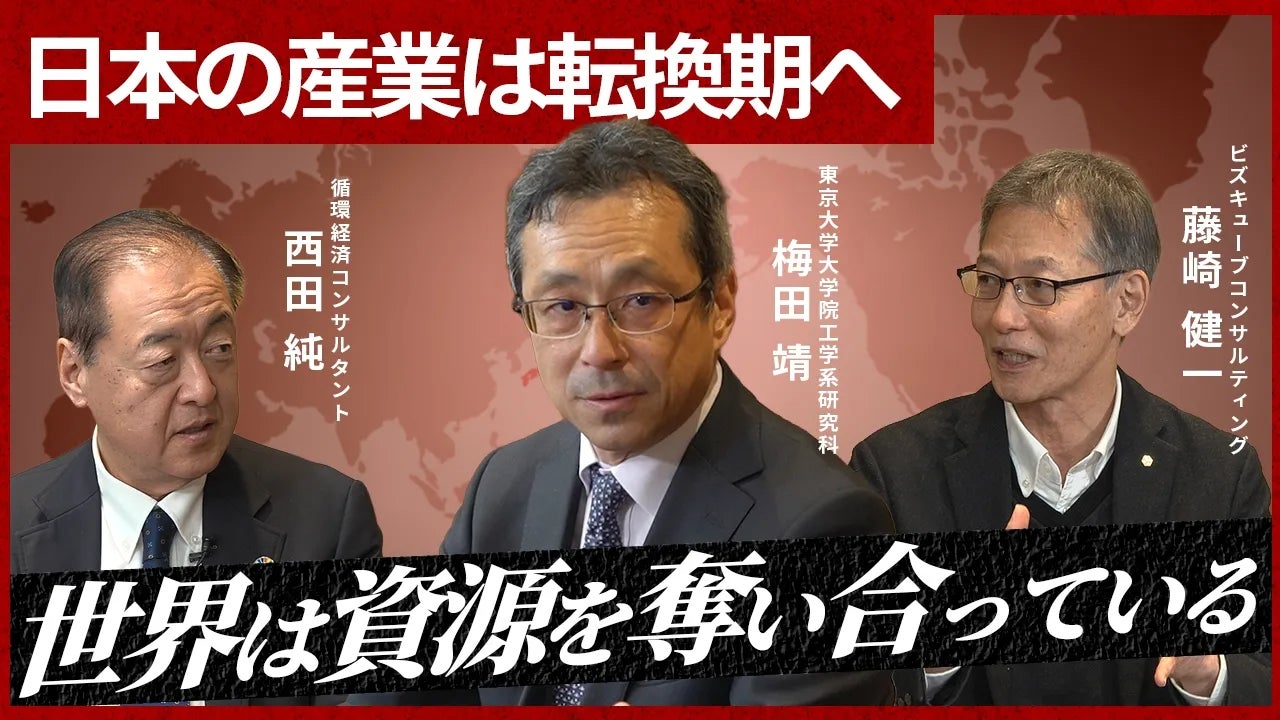
BizCube Consulting Inc. 於 2026 年 3 月 13 日起,在其官方 YouTube 頻道「GX Biz / 循環經濟時代的商機」上發布了與東京大學研究所工學系研究科的梅田靖教授進行對談的影片。本影片分為前、後兩部分。
【前篇影片】日本產業進入轉型期。世界正爭奪資源
▼ 點此觀看影片(官方 YouTube 頻道「GX Biz」)
【東大教授解析】全球資源戰略與日本產業的未來
本影片深入探討了近期備受關注的「循環經濟」所帶來的巨大變革,以及日本企業應採取的生存戰略。
影片目錄(章節)
00:00 開場・來賓介紹
04:15 【主題 1】循環經濟的變化
08:30 【主題 2】歐洲市場動向
14:02 【主題 3】循環經濟對日本的意義
18:17 下集預告
前篇影片亮點
【主題 1】從環境問題轉變為「經濟安全保障」
探討在日益區域經濟化的世界局勢下,循環經濟為何成為「保護國家資源、實現自給自足的武器」,剖析資源枯竭的風險及技術分裂等問題。
【主題 2】歐洲市場的真實情況:「循環利用即獲利、即安全」
解析在制定規則和認證制度方面領先,並將循環經濟變為商業主戰場的歐洲動向。深入探討如何運用數位技術,實現資源採購的高效率化。
【主題 3】日本企業應走向的「從商品到服務的附加價值轉變」
為資源貧乏的日本提出擺脫「大量生產」商業模式的戰略。在梅田教授的「確保資源・擺脫大量生產」和藤崎的「資源採購高效率化」等關鍵詞下,描繪出透過充分利用產品、最大化其生命週期整體價值的未來藍圖。
常見問題
What is the circular economy?
The circular economy is an economic model that aims to eliminate waste and the continual use of resources. It is in contrast to a traditional linear economy, which follows a 'take-make-dispose' model.
Why is the circular economy important for Japan?
As a resource-poor nation, Japan can benefit significantly from the circular economy by reducing its reliance on imported raw materials, enhancing resource security, and fostering new business opportunities through efficient resource utilization and value creation from existing products and services.
What are the key trends in the European market regarding the circular economy?
Europe is a leader in the circular economy, actively developing regulations, certification systems, and leveraging digital technologies to create efficient resource procurement systems. The focus is on making 'circulating' profitable and secure, shifting towards a service-based economy.
What is the connection between the circular economy and economic security?
In an era of increasing geopolitical instability and potential resource scarcity, the circular economy contributes to economic security by enabling countries to better manage and utilize their own resources, reducing dependence on external supply chains, and fostering domestic industrial resilience.
What is the proposed strategy for Japanese companies?
The strategy involves shifting from a mass-production model to one that maximizes value across the entire product lifecycle. This includes high-efficiency resource procurement and transitioning from selling products to providing services, ensuring products are utilized to their full potential.