A Water-Resilient Future Paved by Connected Infrastructure
Autodesk advocates for improving the resilience of water infrastructure.
📋 Article Processing Timeline
- 📰 Published: March 28, 2026 at 00:10
- 🔍 Collected: March 28, 2026 at 21:59 (21h 49m after Published)
- 🤖 AI Analyzed: April 15, 2026 at 01:48 (411h 48m after Collected)
Water infrastructure is a critical part of our lives, yet it remains a system that many never see. Located beneath our roads and inside water treatment facilities, it protects public health, supports economic activity, and underpins our resilience to climate change. Its importance is often only recognized when a problem occurs.
However, despite being at the core of the built environment, water infrastructure is still frequently managed under fragmented engineering workflows.
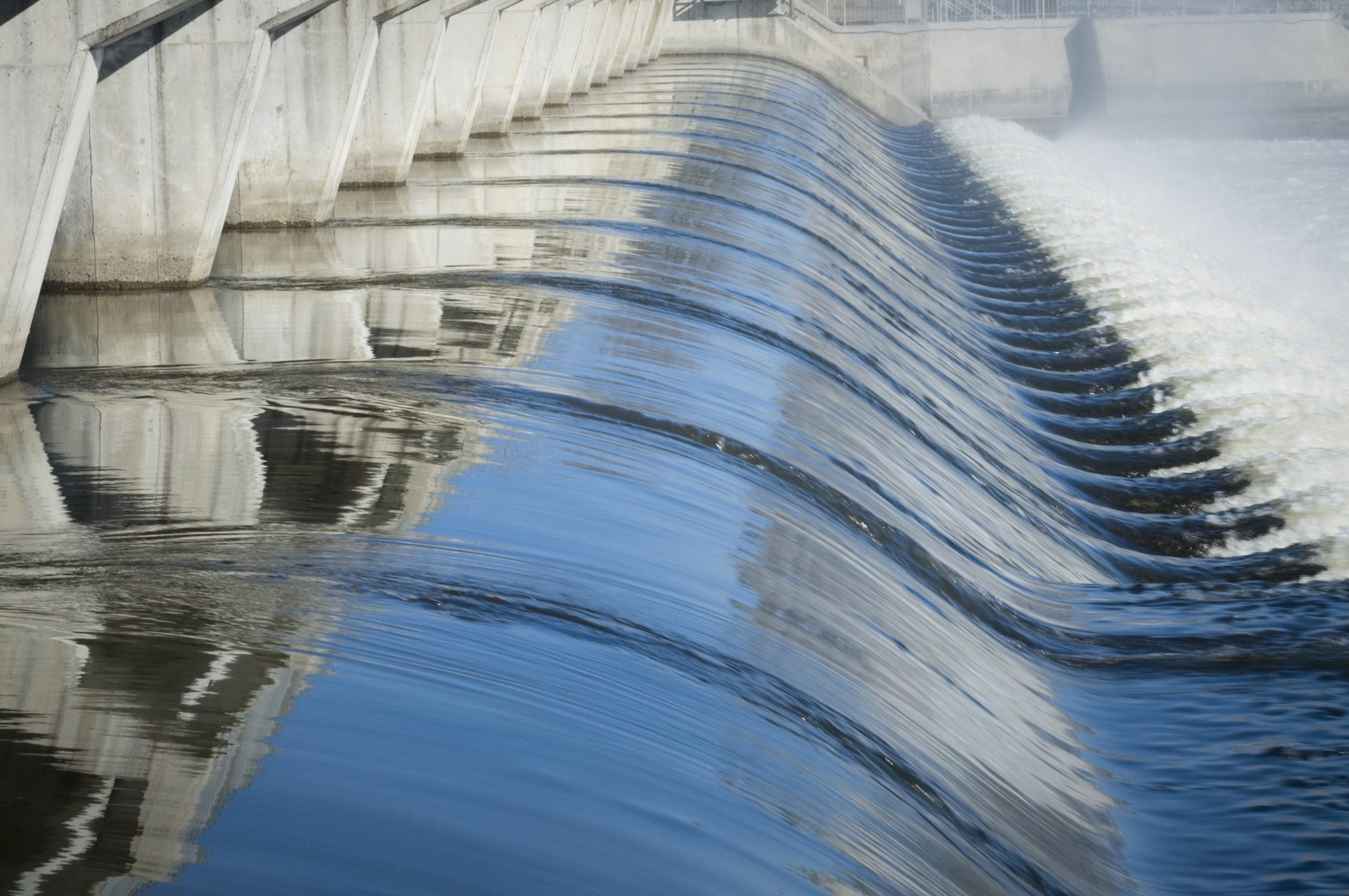
While runoff analysis and hydraulic modeling are essential for land development and infrastructure planning, processes are typically disconnected across planning, design, construction, and operation phases. Models are built separately for each project phase, data is moved between tools, and critical decision-making prerequisites are not always adequately handed over as the project progresses. This fragmentation leads to reduced visibility, delayed decision-making, and difficulty in ensuring resilience.
Following World Water Day (March 22), what is important now is not simply increasing investment in water infrastructure, but connecting data and decision-making throughout the entire lifecycle of the infrastructure. And that transformation has already begun.
A Turning Point for Water Infrastructure
Water infrastructure is currently facing complex challenges, including intensifying climate change, aging assets, population growth, and stricter regulations. Without additional measures, annual flood damage in major coastal cities worldwide could reach approximately $1 trillion by 2050.
Governments are investing on an unprecedented scale, but the success of these investments depends on more than just funding. Policies and incentives that define how infrastructure is planned, implemented, and managed are equally important.
Modern, resilient water infrastructure requires data continuity from initial design through decades of operation. Regulatory and standardization frameworks play a vital role in achieving this continuity.
If planning models and operational data remain siloed, or if insights from the construction phase are not utilized for long-term asset management, operators are forced to respond to risks with incomplete information. What the industry needs now is knowledge shared across the entire lifecycle.
"Connected Water" in the Built Environment
Water flows through every layer of the built environment. Development density affects drainage patterns, road design impacts runoff, and construction processes influence long-term performance. Furthermore, operational constraints should be considered from the design stage before construction begins.
Industry data also reveals how water management has become a core element of infrastructure design. According to a spotlight report on the transportation sector—part of Autodesk's upcoming 'State of Design & Make' report—99% of transportation leaders...