Hooked even if you hate Japanese? Three reading comprehension workbooks packed with professional know-how released simultaneously for lower, middle, and upper elementary grades!
Key facts
- Hooked even if you hate Japanese? Three reading comprehension workbooks packed with professional know-how released simultaneously for lower, middle, and upper elementary grades!
- Gakken has released three reading comprehension workbooks simultaneously, tailored for lower, middle, and upper elementary school students who struggle with the subject.
- Date: March 29, 2026
Direct answer
Gakken has released three reading comprehension workbooks simultaneously, tailored for lower, middle, and upper elementary school students who struggle with the subject.
- Citation
- Hooked even if you hate Japanese? Three reading comprehension workbooks packed with professional know-how released simultaneously for lower, middle, and upper elementary grades! (March 29, 2026)
- Source
- PR Times
- Date
- March 29, 2026
Gakken has released three reading comprehension workbooks simultaneously, tailored for lower, middle, and upper elementary school students who struggle with the subject.
📋 Article Processing Timeline
- 📰 Published: March 29, 2026 at 17:15
- 🤖 AI Analyzed: May 26, 2026 at 21:27 (1396h 11m after Published)
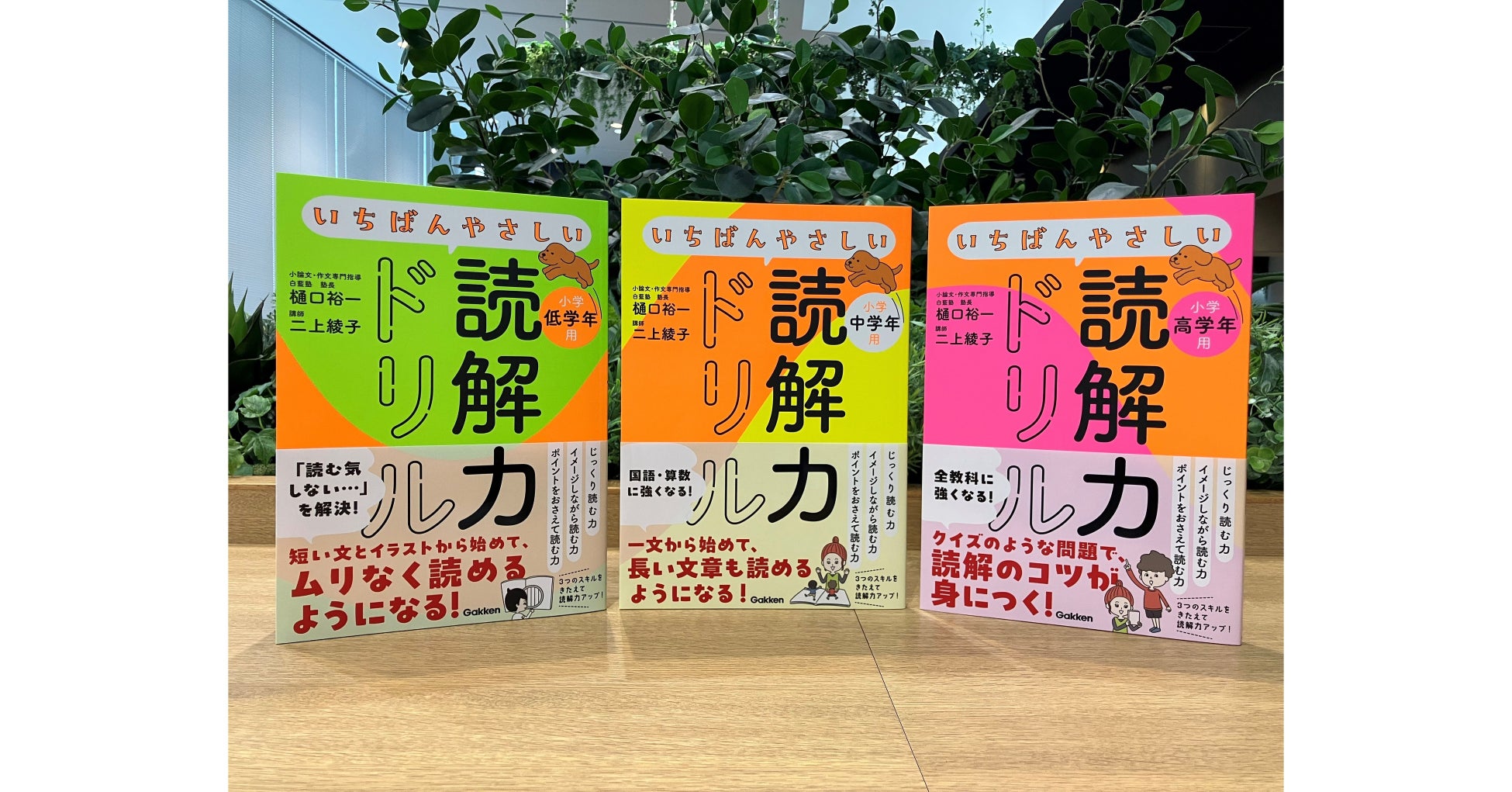
Gakken Co., Ltd. (Shinagawa, Tokyo; Tatsuya Nanjo, President), a group company of Gakken Holdings Co., Ltd., released "The Easiest Reading Comprehension Workbook for Lower Elementary Grades," "...for Middle Elementary Grades," and "...for Upper Elementary Grades" on March 16, 2026.
Many children and parents struggle with reading, citing issues such as "my child hates reading long texts," "they solve math word problems carelessly," "I don't know how to teach reading comprehension," or "I wish they would read more books."
This series is authored by Yuichi Higuchi and Ayako Futagami (Hakuran Juku), leading experts in essay and composition instruction. Rather than forcing children to read long passages immediately, this new, "easiest" workbook series allows them to intuitively grasp the "tricks" of reading through illustrations and quiz-like problems. It builds a solid foundation of academic ability with approaches tailored to the developmental stages of children from lower to upper elementary grades.
■ Designed by Professionals! The "Easiest" Small-Step Method
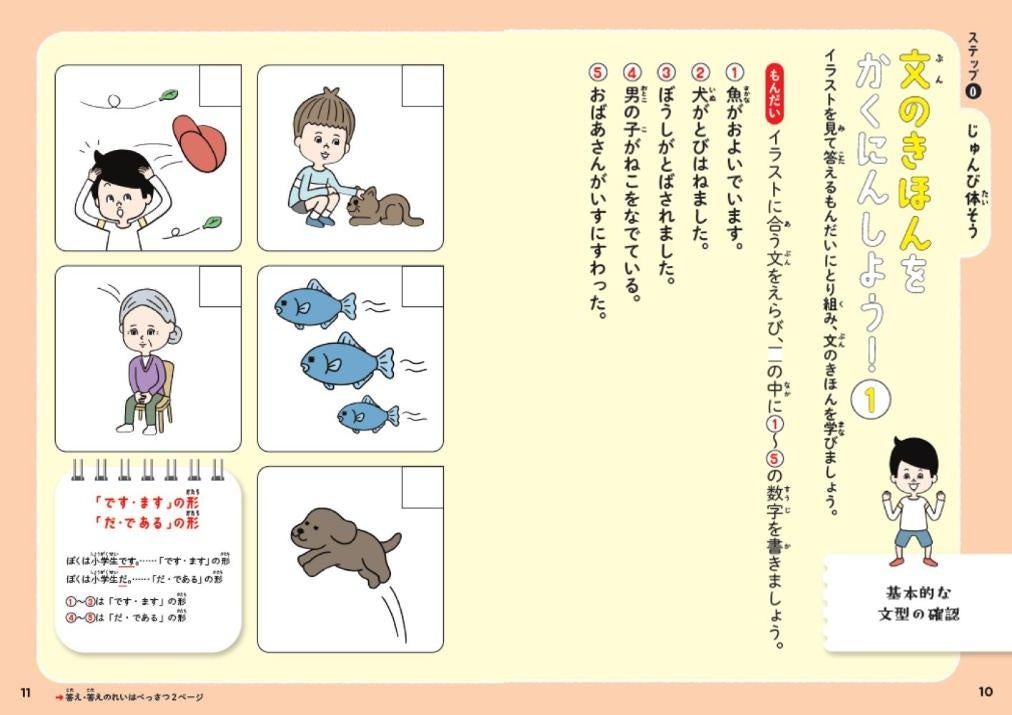
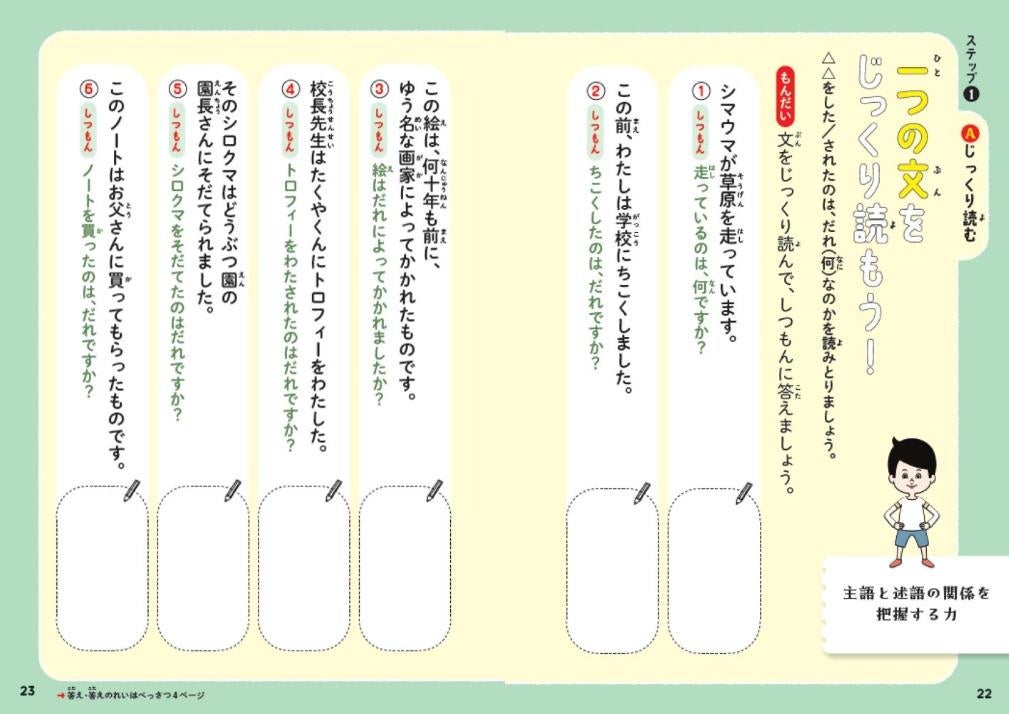
Even children who lack confidence and feel they cannot handle difficult texts right away can continue without getting discouraged. Much like a warm-up in sports, the books start with "warm-up exercises" to get children accustomed to reading. The content is designed to help them master the various skills necessary for reading comprehension in stages through the following three types of problems:
A: Reading Carefully (The ability to understand correctly without misinterpreting content)
B: Reading with Visualization (The ability to understand by connecting text to existing knowledge and real-life experiences)
C: Reading for Key Points (The ability to understand the theme of the text and what the author wants to convey)
FAQ
What are the three new reading comprehension workbooks released by Gakken Co., Ltd. and for which grade levels are they intended?
Gakken Co., Ltd. has released three new workbooks: 'The Easiest Reading Comprehension Workbook for Lower Elementary Grades,' '...for Middle Elementary Grades,' and '...for Upper Elementary Grades,' catering to these respective age groups.
What common reading struggles do children and parents face that these new workbooks aim to address?
The workbooks are designed to address issues such as children disliking long texts, making careless errors in math word problems, parents not knowing how to teach reading comprehension, and a general wish for children to read more books.
Who are the authors of this new series of reading comprehension workbooks and what is their expertise?
The series is authored by Yuichi Higuchi and Ayako Futagami from Hakuran Juku, who are leading experts in essay and composition instruction.
How do these 'easiest' workbooks help children grasp reading comprehension skills without feeling overwhelmed?
Instead of forcing children to read long passages, the workbooks use illustrations and quiz-like problems to help them intuitively understand the 'tricks' of reading, building a solid foundation in stages.
What are the three types of problems included in the workbooks to build reading comprehension skills, and what does each type focus on?
The three problem types are A: Reading Carefully (understanding content without misinterpretation), B: Reading with Visualization (connecting text to existing knowledge and experiences), and C: Reading for Key Points (understanding the theme and author's message).