Jena Academy | "University Entrance Exam Mathematics Super Accelerated Course" for New 1st Year Junior High Students Opens | Complete High School Mathematics by 3rd Year Junior High, Advance to University-Level Mathematical Science and AI Fields
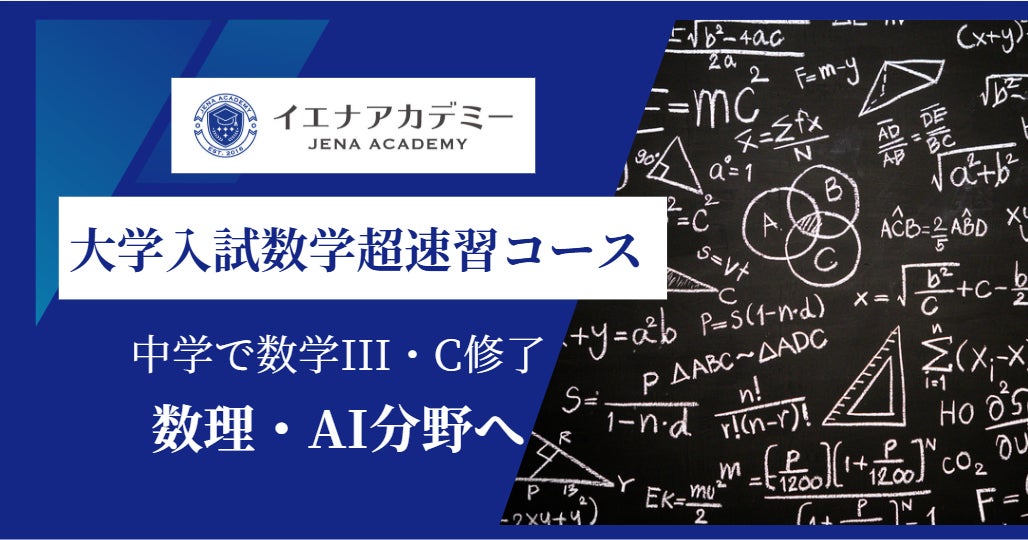
Jena Academy is launching a "University Entrance Exam Mathematics Super Accelerated Course" for new 1st year junior high students. This course aims to complete university entrance exam level mathematics by the 3rd year of junior high school, allowing students to secure ample time for practice and critical thinking. This early completion enables students to delve into advanced fields like linear algebra and statistics, preparing them for AI and data science challenges.
📋 Article Processing Timeline
- 📰 Published: April 3, 2026 at 06:25
- 🔍 Collected: April 2, 2026 at 22:00
- 🤖 AI Analyzed: April 18, 2026 at 00:05 (362h 5m after Collected)
April 2026
Jena Academy
━━━━━━━━━━━━━━━━━━━━━━━━━━
【For New 1st Year Junior High Students】University Entrance Exam Mathematics Super Accelerated Course | Complete High School Mathematics by 3rd Year Junior High, Advance to Mathematical Science and AI Fields
━━━━━━━━━━━━━━━━━━━━━━━━━━
Jena Academy (English name: Jena Academy, operated by We Are Education Inc.) will open a "University Entrance Exam Mathematics Super Accelerated Course" for new 1st year junior high school students. This course aims to start learning high school mathematics immediately after entering junior high school and complete university entrance exam level mathematics by the 3rd year of junior high school.
■ Course Overview
In recent years, university entrance exam mathematics has tended to become more difficult. Especially at top-tier universities, including the University of Tokyo, not just computational skills but also fundamental understanding, critical thinking, and application skills are strongly required.
This course allows students to progress from junior high school mathematics to high school mathematics, completing the exam scope early, thereby securing sufficient time for practice and critical thinking training.
Click here for the course introduction page
https://jena-academy.com/course/int-math
━━━━━━━━━━━━━━━━━━━━━━━━━━
■ Background of Course Development
━━━━━━━━━━━━━━━━━━━━━━━━━━
The reality that "those who finish mathematics early win"
In difficult university entrance exams, mathematics is the subject where the biggest difference in scores can occur.
・Broad scope
・Takes time to understand
・Requires critical thinking
Due to these characteristics, with a normal pace, the amount of practice is often insufficient, and many students fail to reach the exam level.
Therefore, this course adopts a design based on overwhelming early completion:
"Finishing high school mathematics in junior high school."
━━━━━━━━━━━━━━━━━━━━━━━━━━
■ Course Features
━━━━━━━━━━━━━━━━━━━━━━━━━━
① From 1st year junior high to high school mathematics
From the summer of the 1st year of junior high, students will progress to Math I, A, II, and B, reaching the university entrance exam scope via the shortest route.
② Completion of exam scope by 3rd year junior high
By the end of the 3rd year of junior high, students will have completed all university entrance exam mathematics. In high school, they can concentrate on practice and past exam questions.
③ Connection to AI and Data Science fields
It is possible to advance to advanced studies such as linear algebra and statistics, with an eye towards participating in the JOAI Japan Artificial Intelligence Olympiad.
━━━━━━━━━━━━━━━━━━━━━━━━━━
■ Curriculum (Completion of Math III and C by 3rd year junior high)
━━━━━━━━━━━━━━━━━━━━━━━━━━
In this program, all junior high school mathematics will be completed from April to June of the 1st year of junior high, and all high school mathematics (Math I, A, II, B, C, III) will be completed within the three years of junior high school.
Furthermore, the fields of statistics and data will be studied together when learning university-level topics.
【1st Year Junior High】
April: Junior High Mathematics (Positive and negative numbers, algebraic expressions, linear equations, simultaneous equations)
May: Junior High Mathematics (Inequalities, linear functions, plane geometry, solid geometry)
June: Junior High Mathematics (Square roots, quadratic equations, quadratic functions)
July: Math I Numbers and Expressions ① (Expansion, factorization)
August: Math I Numbers and Expressions ② (Applied factorization, inequalities)・Sets and Proofs (Propositions, contrapositives, proof by contradiction)
September: Math I Quadratic Functions ① (Graphs, completing the square)
October: Math I Quadratic Functions ② (Max/min, discriminant)
November: Math I Figures and Measurement (Trigonometric ratios, sine rule, cosine rule)
December: Math A Permutations and Combinations (Permutations, combinations)
January: Math A Probability (Probability, conditional probability)
February: Math A Integers and Properties of Figures (Integers, figures)
March: Expressions and Proofs (Identities, manipulation of expressions)
【2nd Year Junior High】
April: Math II Complex Numbers (Definition of complex numbers, extension of solutions)
May: Math II Figures and Equations ① (Lines, coordinates)
June: Math II Figures and Equations ② (Circles, loci)
July: Math II Trigonometric Functions ① (Definition of trigonometric functions, graphs)
August:
・Math II Trigonometric Functions ② (Addition theorems, functional relationships)
・Math II Exponential Functions (Laws of exponents, increase/decrease of functions)
September: Math II Logarithmic Functions (Definition and properties of logarithms)
October: Math II Differentiation ① (Differential coefficients, tangents)
November: Math II Differentiation ② (Max/min, changes in graphs)
December: Math II Integration (Definite integrals, area)
January: Math B Sequences ① (Arithmetic sequences, geometric sequences)
February: Reserve・Practice/Review
March: Reserve・Advanced
【3rd Year Junior High】
April: Math C Vectors ① (Basics, dot product)
May: Math C Vectors ② (Application to figures)
June: Math C Complex Plane (Complex numbers and coordinates, rotation)
July: Math C Curves on a Plane (Conic sections, parametric representation)
August: Math C Polar Coordinates, Polar Equations (Area calculation with parametric functions) Math III Limits (Sequence limits, function limits)
September: Math III Differentiation ① (Differentiation of basic functions, differentiation of composite functions)
October: Math III Differentiation ② (Increase/decrease of functions, extreme values, graph details)
November: Math III Integration ① (Indefinite integrals, basic calculations)
December: Math III Integration ② (Substitution integration, integration by parts)
January: Math III Integration ③ (Definite integrals, area, volume)
February: Comprehensive Practice・Advanced
March: Final Review
━━━━━━━━━━━━━━━━━━━━━━━━━━
■ Advanced Study (For High-Level Students)
━━━━━━━━━━━━━━━━━━━━━━━━━━
For those who wish, connection to university mathematics and AI fields is also possible.
・Linear Algebra
・Statistics
By studying these,
・Machine Learning
・Kaggle
・JOAI Japan Artificial Intelligence Olympiad
It becomes possible to challenge these fields from the first year of high school.
━━━━━━━━━━━━━━━━━━━━━━━━━━
■ Recommended for these individuals
━━━━━━━━━━━━━━━━━━━━━━━━━━
・Those aspiring to the University of Tokyo and other top-tier universities
・Those who want to make mathematics their strength
・Those who want to finish the exam scope early
・Those interested in STEM fields (AI, Data Science)
━━━━━━━━━━━━━━━━━━━━━━━━━━
■ Value of the Course
━━━━━━━━━━━━━━━━━━━━━━━━━━
The value of this course is not just about getting good scores on exams.
It is about finishing mathematics as early as possible,
and securing time to advance to more advanced fields beyond that.
Normally, many exam takers continue to study mathematics until the 3rd year of high school and finish using it for exams.
However, with this course, by completing mathematics in junior high school to the first half of high school,
・Linear Algebra
・Statistics
・Data Science
・Machine Learning
It becomes possible to reach these areas, which are originally studied at university, at an early stage.
In other words, this course is
not for "people who end with exams" but
for "people who finish exams early and move on to what's next."
━━━━━━━━━━━━━━━━━━━━━━━━━━
■ Course Outline
━━━━━━━━━━━━━━━━━━━━━━━━━━
Target: 1st year junior high to 3rd year junior high
Instruction format: Individual instruction (1-on-1, 1-on-2) and small group lessons
Locations:
■ Myogadani School
Shinanomichi Building 4F, 5-5-2 Koishikawa, Bunkyo-ku, Tokyo
■ Eifukucho School
Seikatsu Club Kan Suginami 2F, 3-7-1 Izumi, Suginami-ku, Tokyo
■ Online support
━━━━━━━━━━━━━━━━━━━━━━━━━━
■ How to Apply
━━━━━━━━━━━━━━━━━━━━━━━━━━
For requests for materials, inquiries, and trial lesson applications, please use the dedicated form or LINE official channel on the inquiry page below.
https://jena-academy.com/inquiry
━━━━━━━━━━━━━━━━━━━━━━━━━━
■ About Jena Academy
━━━━━━━━━━━━━━━━━━━━━━━━━━
Jena Academy is a cram school that "delivers optimal learning tailored to each individual." We offer educational programs tailored to the goals and learning situations of each child, from beginners to those aspiring to enter top-tier medical schools, including the University of Tokyo, and overseas universities.
In English education, we adopt our unique bilingual method and develop a curriculum aimed at fostering the ability to "understand English as English."
Furthermore, in STEM subjects, we support steady academic improvement with an eye on university entrance exams through individualized learning programs tailored to each student's understanding and progress.
In addition, for the 2026 entrance exams, all students in the university entrance exam course successfully passed their first-choice universities.
■ Jena Academy Official Website
https://jena-academy.com
■ Instagram
https://www.instagram.com/jenaacademy/
■ Enrollment Guide NOTE
https://note.com/jena_support
■ Request for materials・Inquiries Official LINE
https://lin.ee/PTp2Dbj
━━━━━━━━━━━━━━━━━━━━━━━━━━
FAQ
What is the name of the course Jena Academy is offering for new 1st year junior high students in 2024?
The course is called the University Entrance Exam Mathematics Super Accelerated Course.
By which grade will students complete university entrance exam level mathematics in Jena Academy's program?
Students will complete it by the 3rd year of junior high school.
How does Jena Academy's Super Accelerated Course benefit students starting in 1st year junior high?
It allows early completion of high school math, enabling advanced study in AI and data science.
What advanced subjects can students study after finishing the Jena Academy course by 3rd year junior high?
Students can advance to linear algebra, statistics, and university-level mathematical science.
What future fields does Jena Academy's mathematics course prepare students for after 2024?
It prepares students for AI, data science, and other advanced mathematical science fields.