Zenda-ji Temple's Ossuary with 1200 Years of History Wins 'iF DESIGN AWARD 2026'
Zenda-ji Temple's ossuary, built by the religious corporation Zenda-ji, has won the 'iF DESIGN AWARD 2026'. The temple, with 1200 years of history, collaborated with architect Shuzo Okabe to reconstruct the ossuary as a 'space for prayer' that encourages dialogue and introspection with the deceased, which was highly praised.
📋 Article Processing Timeline
- 📰 Published: March 30, 2026 at 22:00
- 🔍 Collected: March 30, 2026 at 22:56 (56 min after Published)
- 🤖 AI Analyzed: April 24, 2026 at 07:28 (584h 32m after Collected)
We are pleased to announce that the ossuary established by the religious corporation Zenda-ji (Shinshu Otani-ha, Head Temple Higashi Honganji in Kyoto; Location: Tokyo; Chief Priest: Joji Inoue) has won the global design award 'iF DESIGN AWARD 2026'.
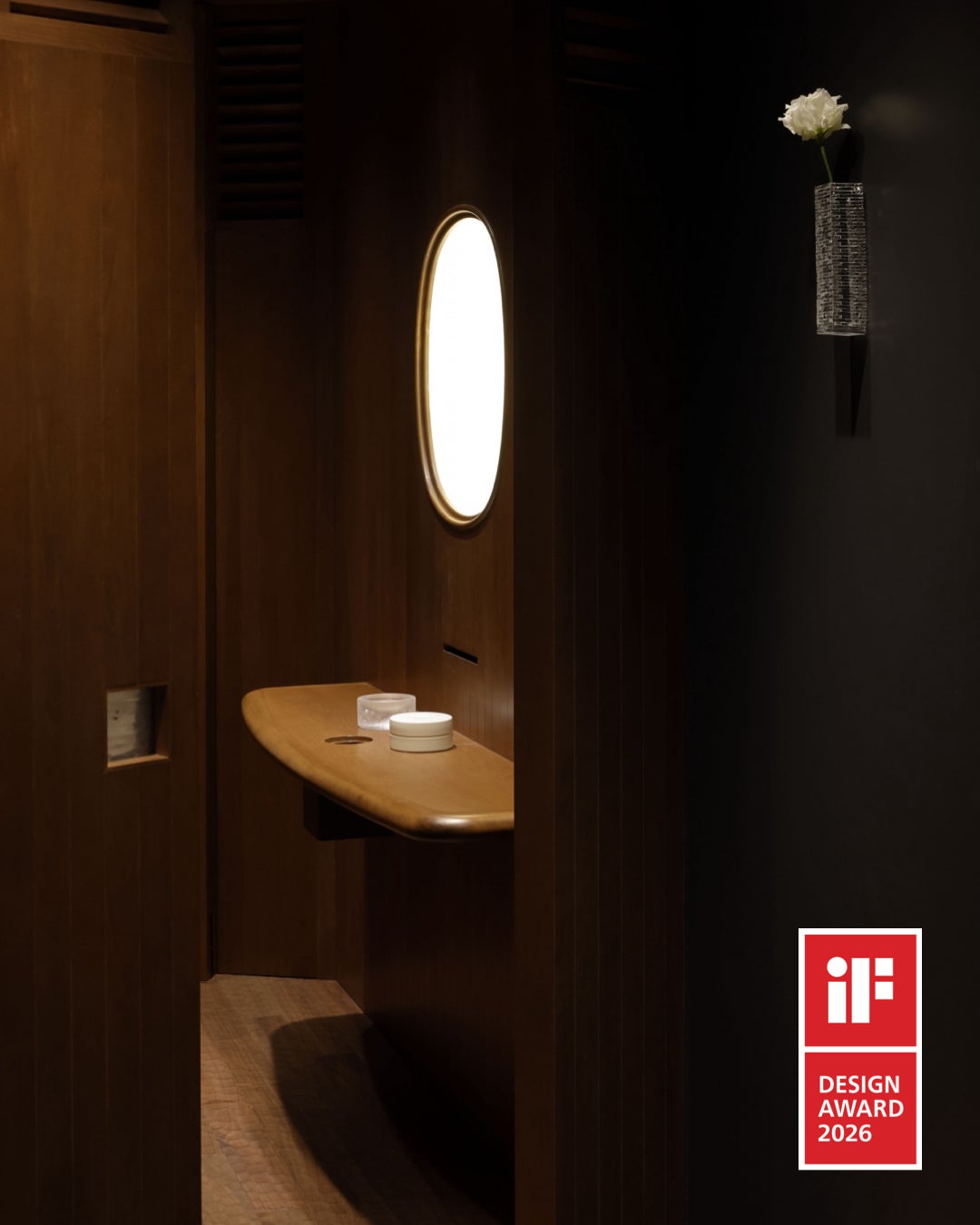
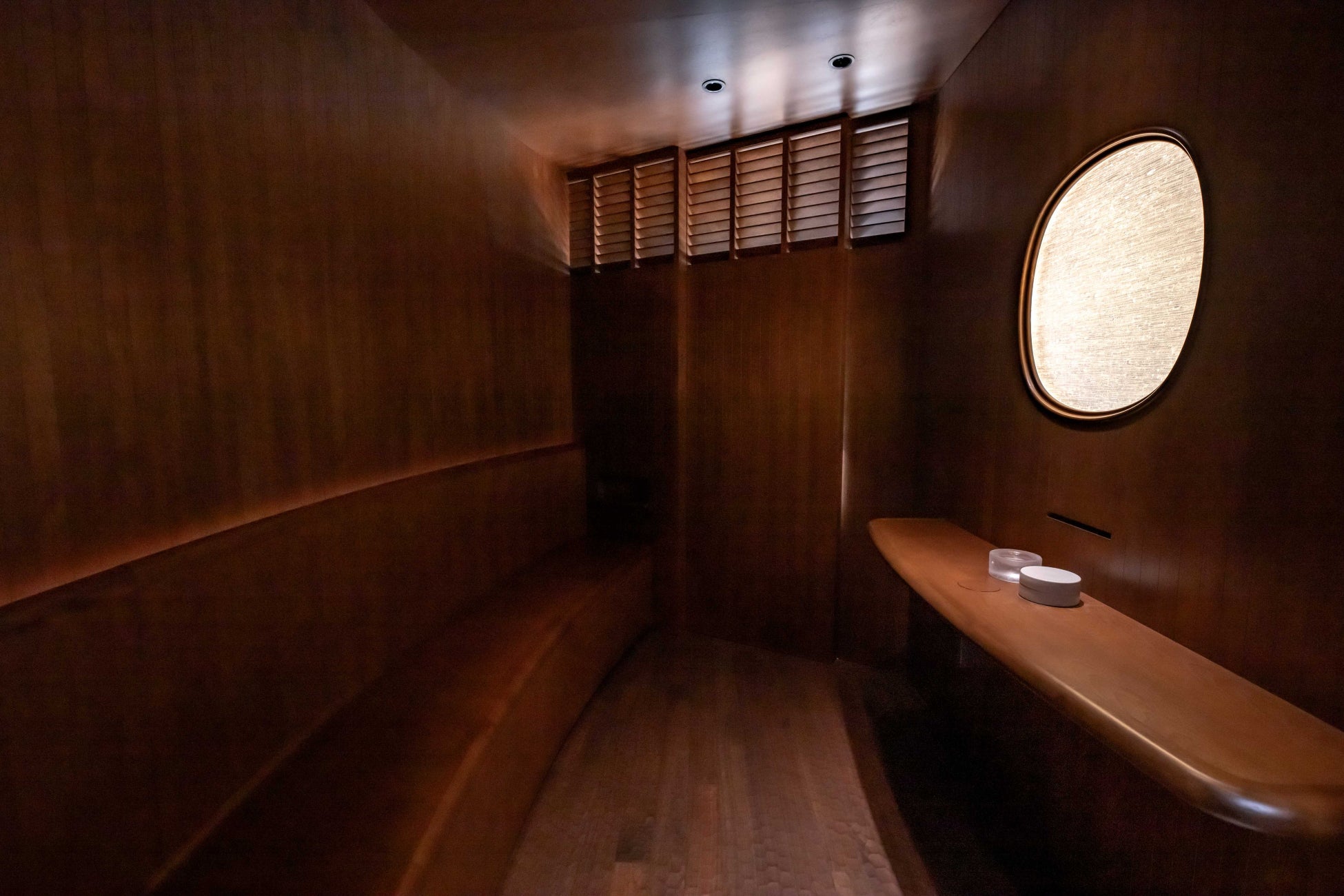
This project was commissioned to architect Shuzo Okabe (principal of upsetters architects) to commemorate the 1200th anniversary of the temple's founding. Unlike conventional ossuaries, it was re-envisioned as a 'space for prayer' to quietly reflect on one's relationship with the deceased. The space, which redefines the relationship between the worship area and the remains in a closed-shelf ossuary, was recognized for its ability to facilitate dialogue with the deceased, earning the iF DESIGN AWARD.
The iF evaluation comment introduces it as follows:
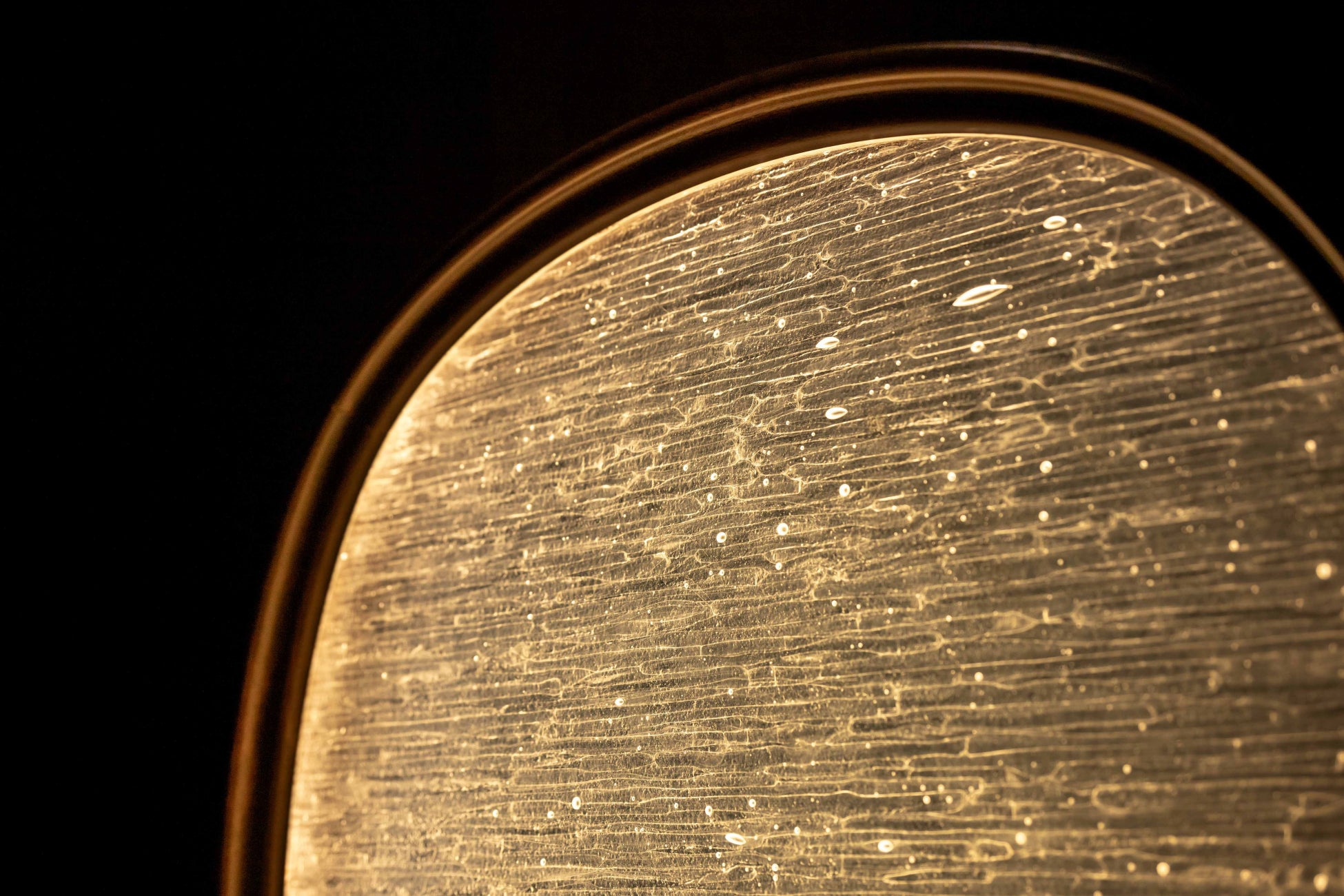
“While preserving the existing shelf structure, a prayer space that redefines the bond between the deceased and the living has been added. Handcrafted custom glass, combining transparency and depth, is placed as an object of worship at the boundary, and a fan-shaped layout gently guides the gaze. Wooden details and minimally arranged furnishings create a serene atmosphere, and gradually changing lighting encourages meditation. It is an introspective personal space where tradition and quiet innovation merge.”
■ The Wish Embodied in the Space — Opening 'Prayer' to the Modern Age
As a temple with 1200 years of history, Zenda-ji has continuously sought to create an environment that restores the 're-encounter with the deceased,' which Japanese Buddhism has cherished and passed down through generations, to the modern era.
The award-winning ossuary is not merely a place for storing remains, but is designed as:
A place to converse with the deceased, a place to confront oneself, a place to reaffirm family ties.
The custom glass placed at the center of the space softly diffuses light while containing it, existing as a symbol of prayer. The gradually changing lighting accompanies the pace of the visitor's heart, guiding them into quiet introspection.
What exists there is not flashy decoration, but the warmth of wood and minimal furnishings. It is a space where people's thoughts arise precisely because of the 'empty space'.